Tips for Designing a Kosher Kitchen
How to Design a Kosher Kitchen
Designing a kosher kitchen is about more than aesthetics; it’s about functionality, tradition, and thoughtful planning. Whether you’re building a new home or renovating an existing space, a properly designed kosher kitchen can make daily life smoother while honoring Jewish dietary laws. With the right layout, materials, and custom kitchen cabinets, you can create a kitchen that’s both beautiful and fully compliant. But first, what exactly is a Kosher kitchen?
A kosher kitchen is designed to follow kashrut, the Jewish dietary laws that govern how food is prepared, cooked, and consumed. One of the most important principles is the separation of meat and dairy. This means separate cookware, utensils, appliances, and often even sinks and countertops. While every kosher kitchen is unique, depending on how strictly the household observes kosher laws, most include clearly defined zones to prevent cross-contamination. Thoughtful design is essential to keep these systems organized, intuitive, and stress-free.
Typically, people design their kitchen this way to observe their religion, and for many Jewish families, is a meaningful part of their daily lives. However, a Kosher kitchen is also a great format for organization by having defined zones for different food types that can improve kitchen workflow. A properly planned kosher kitchen doesn’t feel restrictive, it feels intentional and elevated, which makes the space more welcoming for hosting guests.
Tips for Designing a Proper Kosher Kitchen
1. Plan Clear Meat and Dairy Zones
The foundation of kosher kitchen design is separation. Decide early where meat and dairy areas will live, which may include:
- Two sinks (one for meat, one for dairy)
- Separate prep counters
- Dedicated storage areas
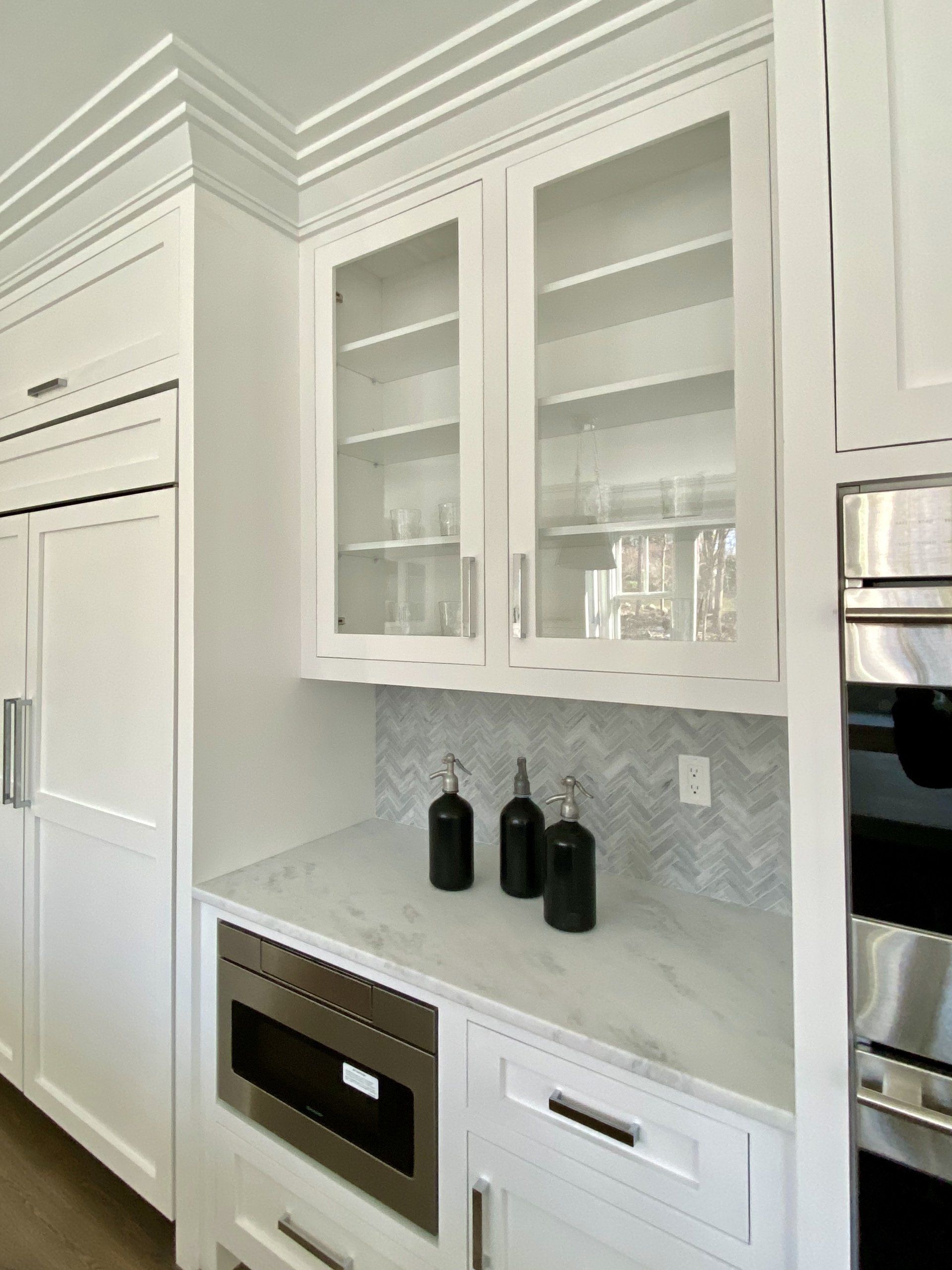
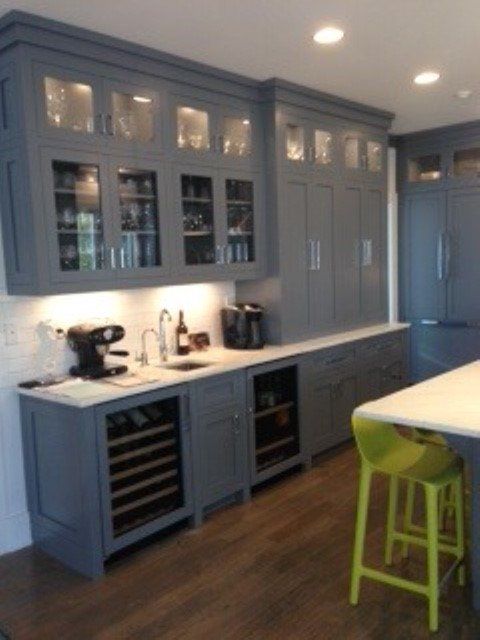
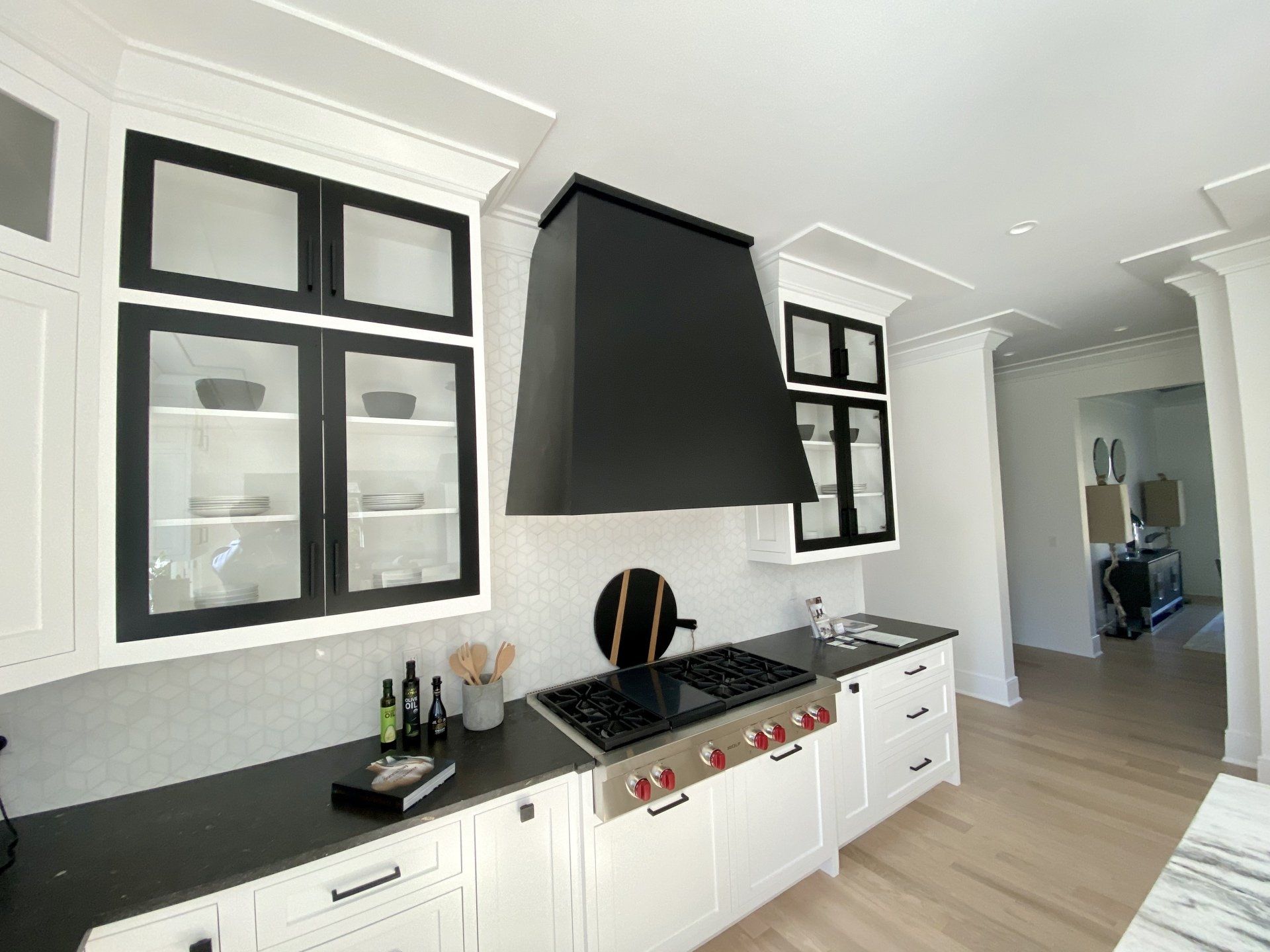
Using custom kitchen cabinets makes this much easier. Cabinets can be clearly designated, labeled internally, or even color-coded subtly through finishes or hardware.
2. Consider Appliance Layout Carefully
Some kosher kitchens include:
- Two dishwashers (meat and dairy)
- Separate ovens or oven compartments
- Extra warming drawers or Sabbath-mode appliances
Even if you don’t need duplicates, proper spacing and placement are crucial. Make sure appliances align with your workflow and don’t create accidental crossover between zones.
3. Choose Durable, Easy-to-Clean Materials
Kosher kitchens often see heavy use, especially around holidays. Choose materials that are:
- Heat-resistant
- Easy to clean
- Durable enough for frequent cooking
Quartz countertops, high-quality cabinet finishes, and well-sealed surfaces are popular choices. Custom cabinetry also allows you to select materials that hold up beautifully over time.
4. Design for Storage—Then Add More
Kosher kitchens typically require more storage than standard kitchens. Between multiple sets of dishes, cookware, and utensils, space fills up fast.
Smart storage solutions include:
- Tall pantry cabinets and other custom kitchen cabinets
- Deep drawers for pots and pans
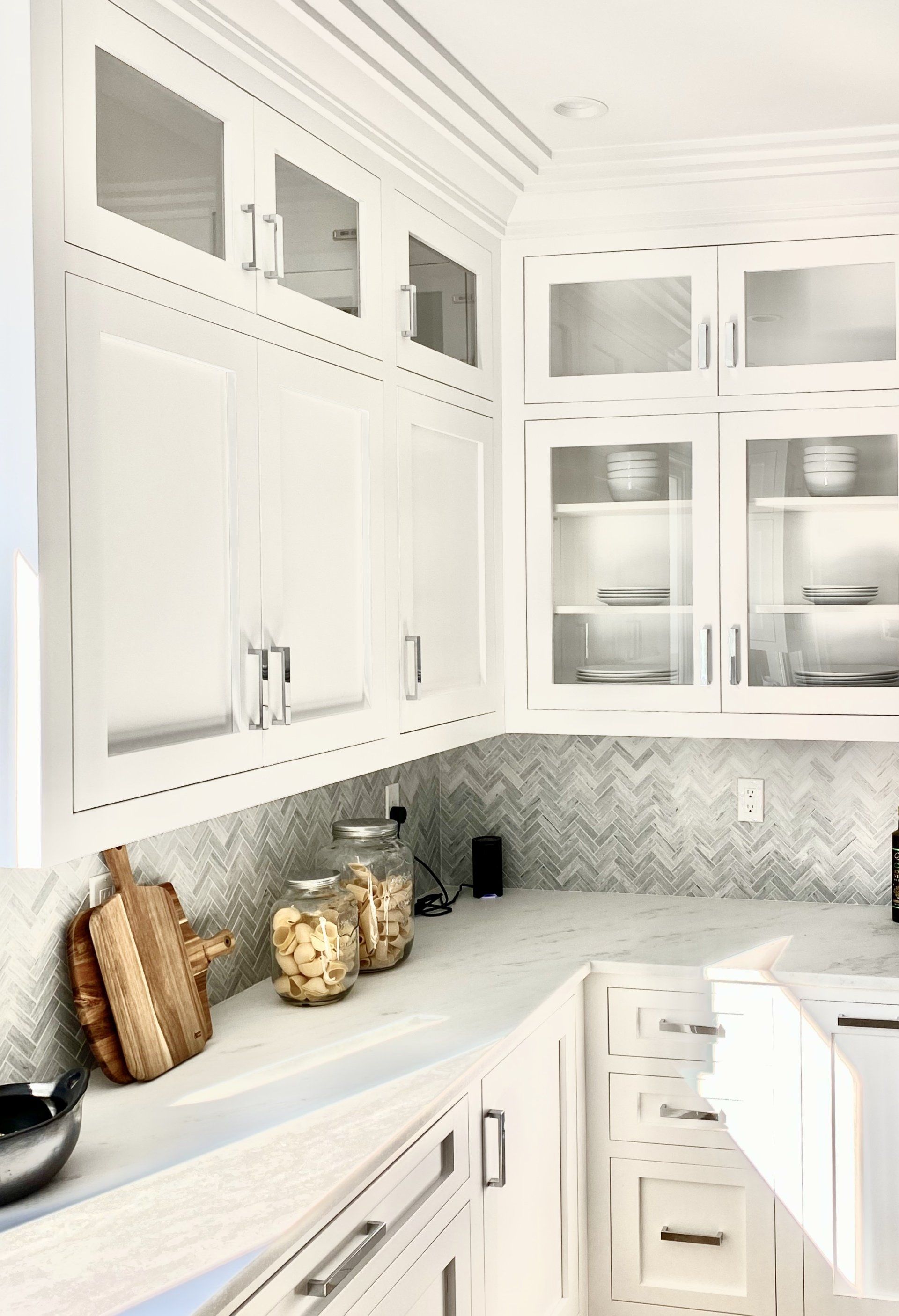
- Upper cabinets that extend to the ceiling
- Appliance garages to keep counters clutter-free
Let Domestic Kitchens, Inc. Bring Your Kosher Kitchen to Life
If you’re planning a kosher kitchen in Westchester County, NY, Domestic Kitchens, Inc. has the experience and craftsmanship to make it seamless. Our team specializes in providing high-quality custom kitchen cabinets that balance beauty, functionality, and tradition. If you're in need of additional space for your Kosher kitchen, contact us today!